


How to serve Rutherglen Muscat, Topaque and Tawny — does temperature matter?
Most people serve fortified wine too warm. It comes out of the cupboard at room temperature, gets poured into a glass, and somewhere between the bottle and the palate a lot of what makes it interesting gets lost. The aromatics are muted. The sweetness feels heavy. The wine seems rich and one-dimensional rather than the layered, complex thing it actually is.
Temperature matters more with fortified wine than almost any other style. A few degrees in the right direction transforms the experience. Here is how to get the best out of every style in the Stanton & Killeen range.
Muscat — yes, serve it chilled
This surprises people. Rutherglen Muscat has a reputation as a fireside winter wine, poured neat and sipped slowly after dinner. And at its older, more complex tiers it absolutely is that wine. But Muscat is also one of the most versatile and seasonally flexible styles in the cellar, and serving it chilled unlocks a completely different side of it.
At 8 to 12°C the aromatics lift. The rose petal and orange blossom that define the younger styles become vivid rather than muted. The richness and sweetness are balanced by the cold so the wine feels refreshing rather than cloying. On a warm afternoon with good company it is genuinely one of the best things you can pour.
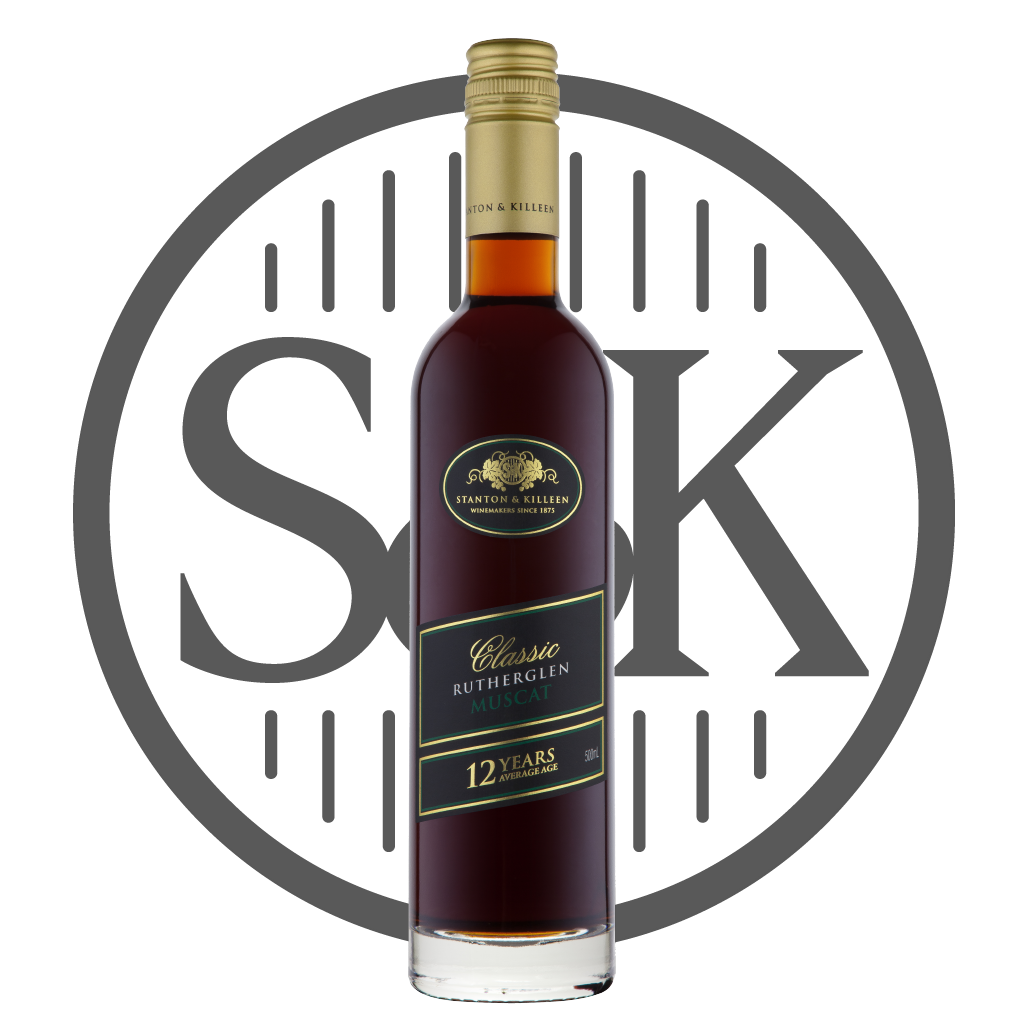
Rutherglen Muscat and Classic Rutherglen Muscat: serve at 8 to 12°C. Straight from the fridge or with 20 minutes to take the edge off. These are the tiers that respond best to chilling. Over ice with a slice of orange is not traditional but it is genuinely excellent in summer.
Grand Rutherglen Muscat: serve at 12 to 14°C. A touch warmer than the younger styles. The aged complexity needs a little more temperature to fully express itself. The rancio characters, the dried fruit, the chocolate and coffee notes, they open up better when the wine isn't too cold.
Rare Rutherglen Muscat: serve at 14 to 16°C. Cool room temperature. The Rare tier has spent decades in barrel developing extraordinary depth and nuance. Serving it cold risks closing it up. Give it room to breathe, pour it into a small tulip-shaped glass, and take your time with it.
Food pairings: Classic Muscat with blue cheese is one of the great combinations. The sweetness of the wine and the sharpness of the cheese find each other perfectly. Muscat also works beautifully with anything chocolate, Christmas cake, sticky date pudding, dried fruit and nut platters, and foie gras. Drizzled over good vanilla ice cream it becomes an instant dessert.
Topaque — lighter, more delicate, loves the cold
Topaque's naturally finer character, the cold tea and citrus notes, the honey toast and butterscotch, the lighter texture compared to Muscat, is genuinely enhanced by chilling. Where Muscat at room temperature can feel rich and generous, Topaque at room temperature can feel slightly flat. The cold brings clarity and lift to a style that is built on elegance rather than power.
Rutherglen Topaque and Classic Rutherglen Topaque: serve at 8 to 12°C. These are the tiers where chilling makes the biggest difference. The delicate aromatics and lighter texture are at their best cold.
Grand and Rare Rutherglen Topaque: serve at 12 to 14°C. Similar to older Muscat, the aged complexity deserves a little more warmth to show itself properly. But even at this tier, Topaque benefits from being cooler than you might expect.
Food pairings: Classic Topaque with a charcuterie board is a natural match. The wine's savoury, slightly buttery character works beautifully with cured meats, pâté and cornichons. Grand Topaque alongside aged hard cheeses, walnuts and almond bread is exceptional. At the Rare tier, sip it alone or with Medjool dates and let the complexity speak for itself.
One pairing worth singling out: Topaque and sticky date pudding. The butterscotch and malt characters in the wine mirror what's in the pudding and the combination is considerably better than the sum of its parts.
Tawny — cool room temperature is the sweet spot
Tawny is the most traditionally served of the three styles, and it's the one where room temperature can actually work, provided your room isn't 28°C in the middle of summer. The savoury complexity of a good Tawny, the walnuts, the caramel, the leather and dried fig, needs a little warmth to fully express itself. Too cold and those characters close up.
Serve at 12 to 16°C. In cooler months, pulling the bottle from the cellar and pouring immediately is fine. In summer, 15 to 20 minutes in the fridge before serving makes a real difference.
Food pairings: Tawny is the most food-friendly style in the range and the most versatile at the table. Aged cheddar, hard pungent cheeses, walnut bread and dried fruits are the classic matches. Tawny alongside Christmas cake or a spiced fruit pudding is exactly right. It also works beautifully with dark chocolate, particularly anything with nuts or caramel.
Less obviously, Tawny is an outstanding cooking wine. A splash in a slow braise, a beef ragu or a butterscotch sauce adds a depth that is genuinely difficult to achieve any other way. It is worth keeping a bottle in the kitchen.
Serving tips that make a difference
Glassware matters. Use a small tulip-shaped dessert wine glass rather than a standard wine glass. The smaller size concentrates the aroma and the shape captures it. A port glass or sherry copita also works well. Avoid large Burgundy glasses as the aroma disperses and a small pour of fortified wine looks lost.
Pour less than you think. 60 to 90ml is the right serve for fortified wine. It is richer and more concentrated than table wine and a smaller pour lets you taste it properly without the palate becoming fatigued. It also stays at the right temperature in the glass for longer.
Let it breathe. Even fortified wine benefits from a few minutes of air before serving. Open the bottle 10 to 15 minutes before pouring. At older tiers, a longer rest is worthwhile.
Keep an open bottle in the fridge. Unlike table wine, Muscat, Topaque and Tawny are remarkably resilient once opened. Kept sealed in the fridge an open bottle will stay in good condition for four to six weeks. There is no need to rush through a bottle once it's opened.
The simplest rule
If you are not sure where to start, put the bottle in the fridge for 30 minutes before you pour. For Muscat and Topaque that will get you close to the right temperature for the younger tiers. For Tawny, 15 to 20 minutes is enough. For older Grand and Rare expressions, take it out of the fridge 10 minutes before serving and let it come up slightly.
Fortified wine served at the right temperature is a genuinely different experience to the same wine served too warm. It is one of the simplest ways to get more out of a bottle you already have.
Explore the full Stanton & Killeen fortified range at stantonandkilleen.com.au
Frequently asked questions
Can you serve fortified wine over ice?
For casual summer drinking, yes. Particularly the younger Muscat and Topaque tiers. Over ice is not traditional but it is genuinely refreshing and a great way to introduce someone to Rutherglen wine for the first time. A Muscat Spritz with soda and a slice of orange is one of the best summer drinks in the cellar door.
How long does an open bottle keep?
Muscat, Topaque and Tawny kept sealed and refrigerated after opening will stay in good condition for four to six weeks. Vintage Fortified is the exception. Treat it more like a red wine and drink within two to three days of opening.
What is the best glass for fortified wine?
A small tulip-shaped dessert wine glass with a capacity of 75 to 150ml is ideal. It concentrates the aromatics and the smaller pour stays at the right temperature for longer. A port glass or sherry copita also works beautifully.
Is Muscat better warm or cold?
At the younger Rutherglen and Classic tiers, chilled is often better, particularly in warm weather. At the older Grand and Rare tiers, cool room temperature lets the aged complexity show fully. The answer depends on the tier and the occasion.
Can I cook with Muscat, Topaque or Tawny?
All three are excellent in the kitchen. Muscat works beautifully in desserts and anything with chocolate, fruit or caramel. Topaque adds a honeyed, buttery depth to sauces and puddings. Tawny is exceptional in slow braises and savoury dishes. Using wine that you would actually drink in cooking always produces better results.
Related: What is Rutherglen Muscat? Australia's liquid gold explained