


Portuguese Varieties at Stanton & Killeen
The Portuguese Varieties Growing in Our Rutherglen Vineyard
Why Portuguese Varieties?
It's one of the questions we get asked most often at the cellar door: do you have Portuguese heritage? The answer is no, it comes down to a shared love of a wine style.
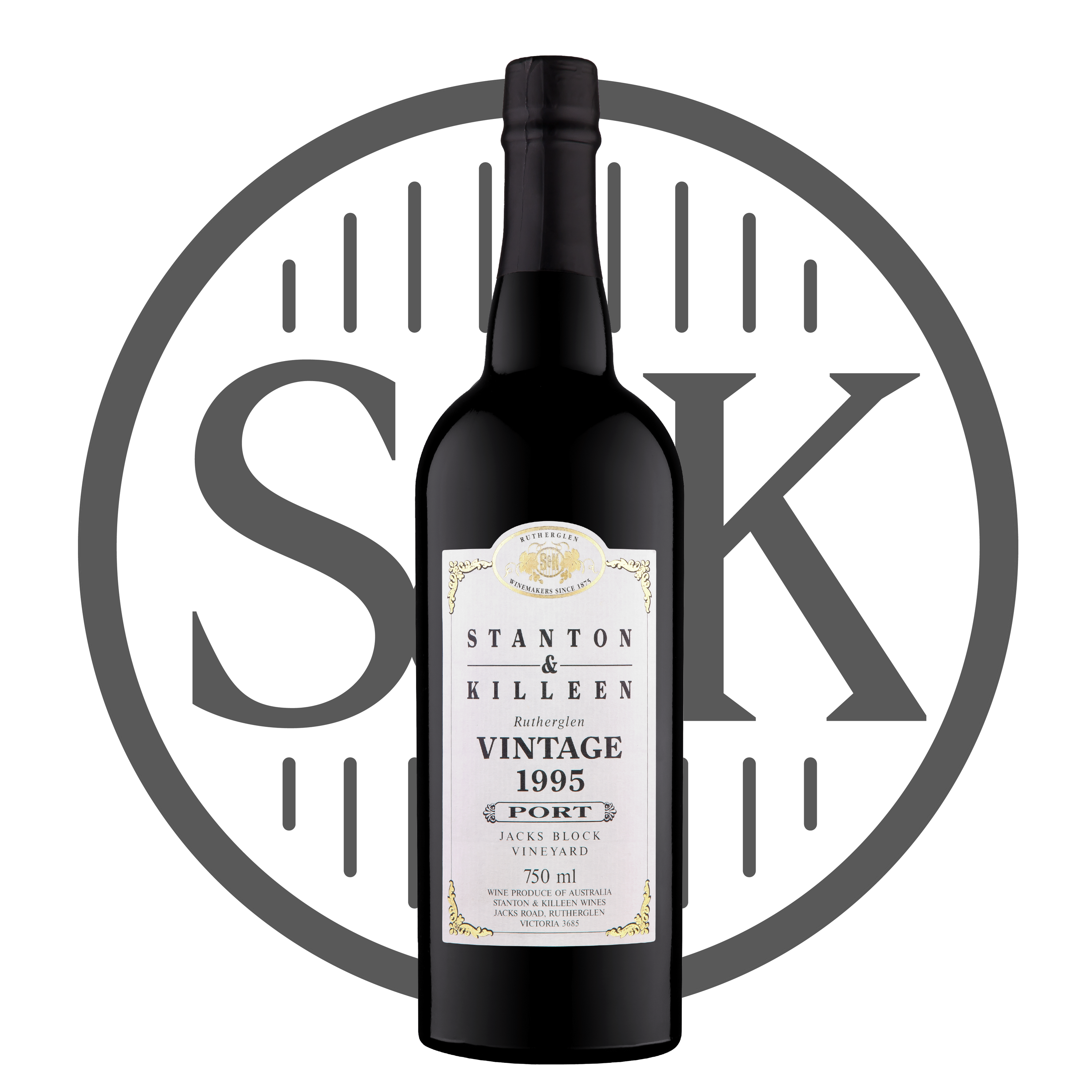
Chris Killeen (6th gen) and Wendy Killeen adored Portuguese Port and were known for generously sharing their collection at industry dinners, always a treat for anyone lucky enough to be at the table. Stanton & Killeen has always made a Vintage Fortified (only wine actually made in Portugal can legally use the term Vintage Port), but traditionally in the classic Australian style: sweet, fruit-forward and high in spirit, built on Durif and Shiraz.
Chrisand Wendy were drawn to something different. They loved the drier, more savoury style of Port made from varieties like Tinta Roriz, Tinto Cão and Touriga Nacional, and believed that blending these varieties with our beloved Shiraz and Durif could produce a style entirely his own.
We were fortunate to already have some old Touriga Nacional in the vineyard. In 1992, Chris joined it with a range of Portuguese red varieties, and the collection has grown steadily ever since. Each variety brings something different to the blend, and it's the marriage of all of them together that creates the finished wine, whether that's our Vintage Fortified or The Prince Iberian Blend, named in Chris's honour and after the nickname he carried among his peers: the Prince of Port.
During his lifetime, Chris only ever used these varieties in his fortifieds. It wasn't until after he passed away in 2007 that the family began experimenting with them as table wines. Over the years we've come to understand the strengths of each one and matched them to the styles where they shine, so much so that Tinta Roriz alone now finds its way into eight different S&K wines.
Our Portuguese Red Varieties
Tinta Roriz
3.2ha planted | oldest vines over 30 years old
Also known as Tempranillo in Spain and Aragonez in Portugal's Alentejo region, Tinta Roriz is the second most planted grape variety in Spain. It's an early-ripening variety, delivering blueberry and sometimes red fruit character, with floral notes and tobacco developing as it ages. Expect firm but even tannins and moderate acidity.
It's a genuinely versatile grape, capable of light and fruity styles, fuller-bodied reds, and fortified wine including Vintage, Ruby and Tawny styles. It provides much of the flavour and fruit depth in our blends, though it can be a little temperamental to grow. With 3.2 hectares under vine, it's by far our most extensively planted Portuguese variety, and appears across eight different S&K wines.
Touriga Nacional
0.6ha planted | oldest vines almost 50 years old
One of the most important varieties for Port production, Touriga Nacional also produces highly aromatic, concentrated red table wines. It ripens late and offers violet and dark berry aromatics, with notes of marzipan and rosemary, backed by dense but fine tannins. It's an elegant, assertive variety that performs best in blends rather than on its own, sometimes described around the winery as the Pinot Noir of warm climates for its perfume and finesse.
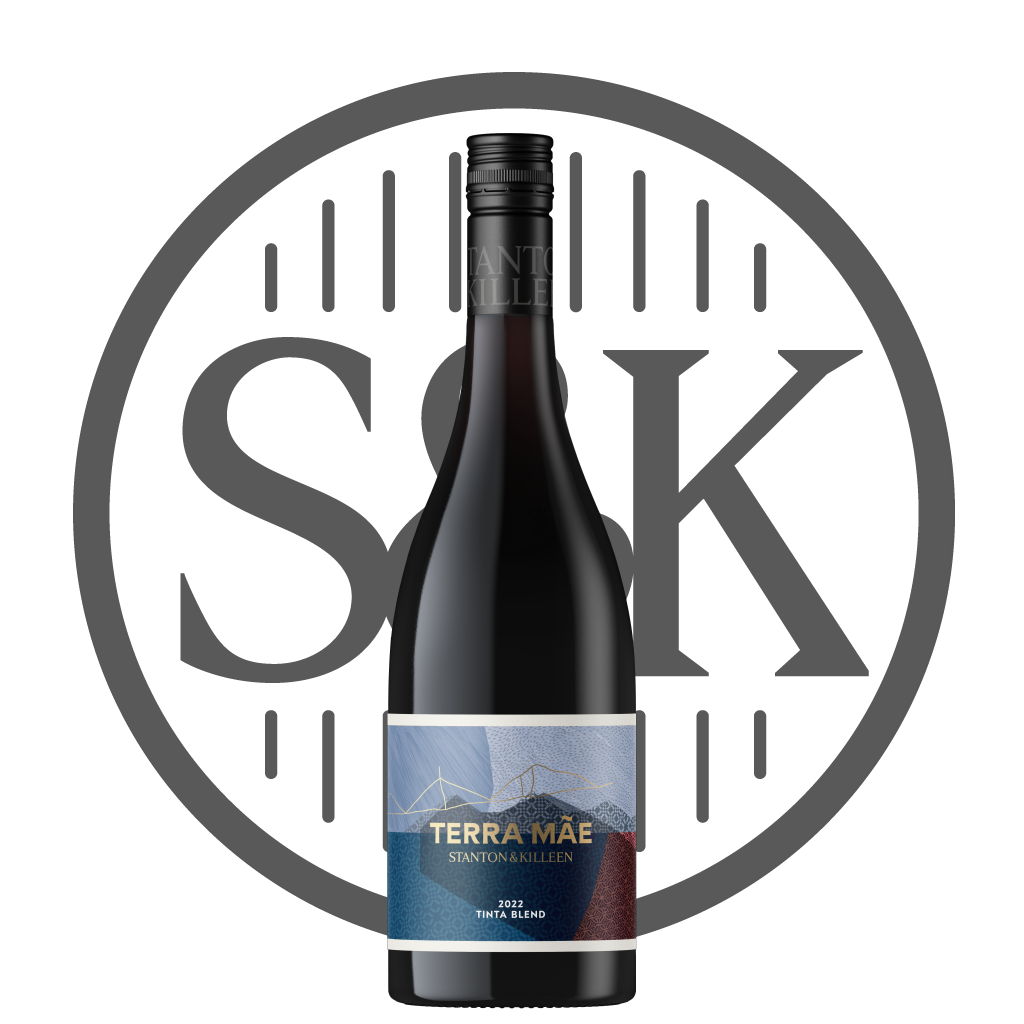
Our oldest Touriga Nacional plantings predate the rest of our Portuguese varieties by decades and remain some of the most treasured vines on the property. It features in our Vintage Fortified, The Prince and Terra Mãe.
Tinto Cão
0.6ha planted | oldest vines 25 years old
Tinto Cão translates to "Red Dog" in Portuguese, and it's one of the most significant varieties grown in Portugal's Douro Valley. It's exceptionally well suited to Rutherglen, thriving in hot, dry conditions. A late-ripening variety, it brings deep colour, red fruit and floral character, with a dense structure and firm tannins balanced by moderate acidity.
On its own, Tinto Cão can lack fruit weight, but it plays a crucial supporting role in a blend, helping give our Vintage Fortified real longevity. We pick it alongside Touriga Nacional, Tinta Barroca and Souzão, fermenting all four together for more complex flavour and better-balanced tannins.
Tinta Barroca
0.6ha planted
Another classic Douro Valley variety, Tinta Barroca ripens mid-season and tends to produce softer wines than its Portuguese counterparts, which is exactly why it earns its place here. Cherry and red fruit flavours combine with low acidity and moderate tannins, often at higher alcohol levels.
We think of it as the variety that fills in the gaps: it adds savoury and fruity texture to The Prince, plays a starring role in our Rosé, and is our favourite variety for barrel-aged Tawny. It's also a component of Ruby, where it's blended with more tannic varieties for balance.
Souzão
0.1ha planted
Souzão is an old, traditional Port variety usually found only in the Douro's oldest vineyards, and a little goes a very long way. It's the last of our Portuguese reds to ripen each year, producing extremely deep-coloured wine with intense cherry and raspberry flavours, high acidity and firm, dry tannins. On its own, it's almost undrinkable, but as a blending variety it's invaluable, adding backbone and structure wherever it's used.
We co-ferment our small parcel of Souzão with the other varieties destined for The Prince, and with only 0.1 hectares planted, that's exactly the way we like it.
Our Portuguese White Varieties
Having seen how well the reds performed both in the vineyard and with our customers, we planted our first Portuguese white varieties, Arinto and Alvarinho, in 2015.
Alvarinho
0.45ha planted
An old variety originating near the border of northern Portugal and Spain, where it's known as Albariño. Alvarinho has proven reliable and adaptable in our vineyard since planting. Our first release, the 2018 vintage, was light-bodied with lychee, lemon and passionfruit character, a lovely contrast to the richer wines Rutherglen is best known for.
Arinto
0.45ha planted
Only a handful of Australian wineries grow this variety, prized for its ability to hold onto refreshing acidity even in a warm climate. Arinto produces high-quality wine with vibrant lemon and lime flavours, equally suited to a fresh drink-now style or a more complex, barrel-matured wine. Our first release, also from 2018, confirmed our decision to grow varieties genuinely suited to our soils and climate.
Antão Vaz
In 2020, we became the first winery in Australia to commercially plant Antão Vaz. We're still discovering exactly what this variety will become in our hands, with early signs suggesting it could make a striking white sparkling. Watch this space.
An Unexpected Advantage
We originally planted these varieties for the style of wine they could create, but one of the great surprises has been how well they're handling a changing climate. Having originated in the dry Iberian Peninsula, these varieties are well matched to Rutherglen's warm, dry conditions. We've noticed they bounce back strongly after heatwaves and hold onto their acid and flavour through challenging summers, giving us wonderful fruit intensity even in tougher vintages.
Fourteen Varieties and Counting
Stanton & Killeen now grows fourteen different grape varieties across the property, and according to the Australian Alternative Wines Show entry conditions, only three of them (Chardonnay, Shiraz and Muscat) are considered common and widely available. The rest, largely Portuguese, set us apart.
We love the diversity this gives us. It means more choice for our customers, more room to experiment, and a vineyard that's better placed to adapt as our climate continues to change.
Taste the Difference
You'll find these Portuguese varieties throughout our range, from the drier, more savoury character they bring to our Vintage Fortified, through to The Prince Iberian Blend, our Rosé, and our Tawny and Ruby styles. The best way to understand what makes each one special is to taste them side by side, and we'd love to pour them for you.
[Shop our Portuguese variety wines]
[Book a cellar door tasting]