

Seven Generations, One Winery: The Stanton & Killeen Story
Every bottle of wine at Stanton & Killeen carries more than a vintage year. It carries 150 years of family decisions, setbacks, reinventions and a stubborn refusal to give up. Here is the full story, from the gold fields to the glass.
Generation 1: Timothy Stanton (1855)
It begins, as many Australian stories do, with gold. In 1855, Timothy Stanton abandoned his trade as a mechanic in West Suffolk, England and brought his family to Australia with prospectors on his mind. At the peak of the Rutherglen gold rush, the region was home to more than 50,000 miners and they were thirsty. Fortified wine was the drink of choice: cheap, strong, and capable of surviving months in a swag.
Timothy was not, by his own measure, much of a gold miner. But he was observant and he could see that feeding and watering those 50,000 thirsty diggers was a more reliable business than panning for flakes. He turned his attention to the land instead.
Generation 2: John Lewis Stanton (1864)
In 1864, Timothy and his son John Lewis Stanton purchased land in Rutherglen and got straight to work. By 1875 they were established vignerons, producing their first vintages from a winery built with red gum slabs and unsawn Murray Pine timber cut from the surrounding land. Timothy passed away in 1896 at the age of 93, described by his community as one of the first European settlers to Rutherglen and a man whose “kind face and words of comfort” would be greatly missed. He never knew that his legacy would span seven generations.
John Lewis went on to marry the girl next door, Lydia Wain and had nine children. By the time he passed in 1925 he had expanded the Stanton farming and winemaking enterprise to 888 acres.
Generation 3: John Richard Stanton (1902)
John Richard continued to grow the business and by the 1920s had established the magnificent Park View vineyard. He also had a son who would, in time, become one of the most important figures in the Stanton & Killeen story.
Generation 4: Jack Stanton (1921)
John Charles Stanton, known to everyone as Jack, is the fourth generation and the man whose name still graces our most celebrated vineyard more than a century later.
As a young man, Jack worked with his father in the family vineyards until 1913, when his wandering spirit took him first to Western Australia as a customs officer, then to the Australian Army in 1914. He spent the next four years in Egypt and France. His father, greatly relieved by Jack’s safe return from war, purchased land to give his son a good start in life.
Jack’s wife, Ethel Capper, named the property Gracerray, a portmanteau honouring her sister Grace and the nearby Murray River. Pronounced “Gra-sair-ray”, the name lives on: the Stanton & Killeen winery still sits on this same ground today.
Using second-hand materials from the defunct Great Southern Gold Mine and timber cut on the property, Jack built the winery himself around existing concrete vats and a red brick building from the 1880s. The site had previously been a winery called Quandong, named after the native peach that once covered the Rutherglen region.
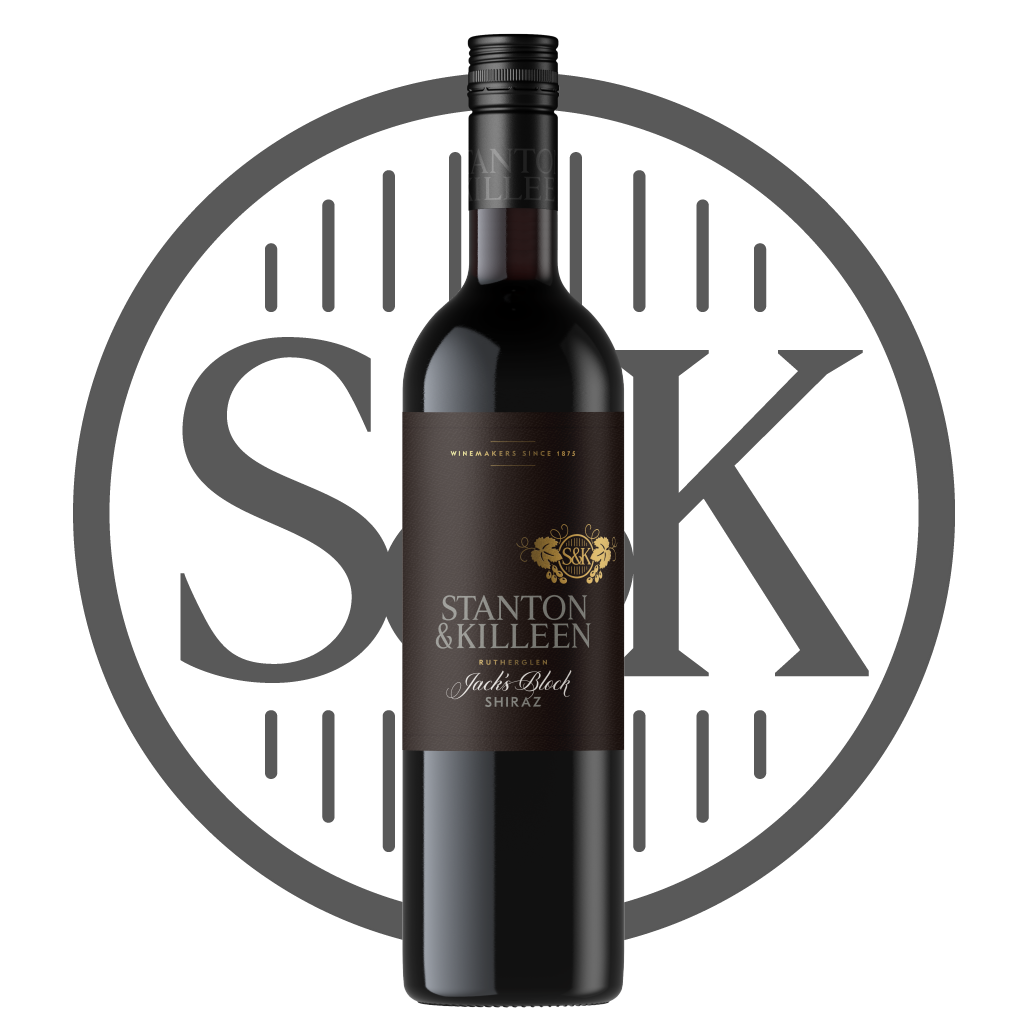
In 1921, Jack planted the vines that would become Jack’s Block Shiraz and Muscat on the Gracerray property. He saw his first vintage in 1925 and a thriving wine business followed. His grit and determination saw him survive the Great Depression of the early 1930s, which ruined many local wineries including his father’s original Park View vineyard.
Jack never missed a vintage until the last few years of his life, aged 94 in 1989.
Generation 5: Norman Killeen and the Two Families Become One (1948)
In 1948, Jack’s twin daughter Joan Stanton married Norman Killeen, a young agricultural scientist who had arrived in Rutherglen in 1940 to work at the Rutherglen Agricultural Research Station. Norman became the Station’s General Manager before leaving in 1953 to join his father-in-law in business.
The 1950s were a precarious time. Wool and food prices were sky high, and farming looked far more promising than wine. Jack and Norman began pulling out vineyards and selling equipment. This could have been where the Stanton & Killeen story ended before it truly began.
Fortunately, the 1960s changed everything. Australians suddenly discovered they loved wine and wanted plenty of it. Norman took over as winemaker in 1967, the partnership was formalised, and the name Stanton & Killeen Wines was born. By 1970, any thought of closing the winery had been forgotten entirely. After 50 years as a fortified-only producer, S&K began making red table wine.
Generation 6: Chris Killeen (1981)
Norman’s son Chris Killeen took over as winemaker in 1981 after ten years of working alongside his father and grandfather. He was the sixth generation of Stanton and Killeen winemakers in the Rutherglen district.
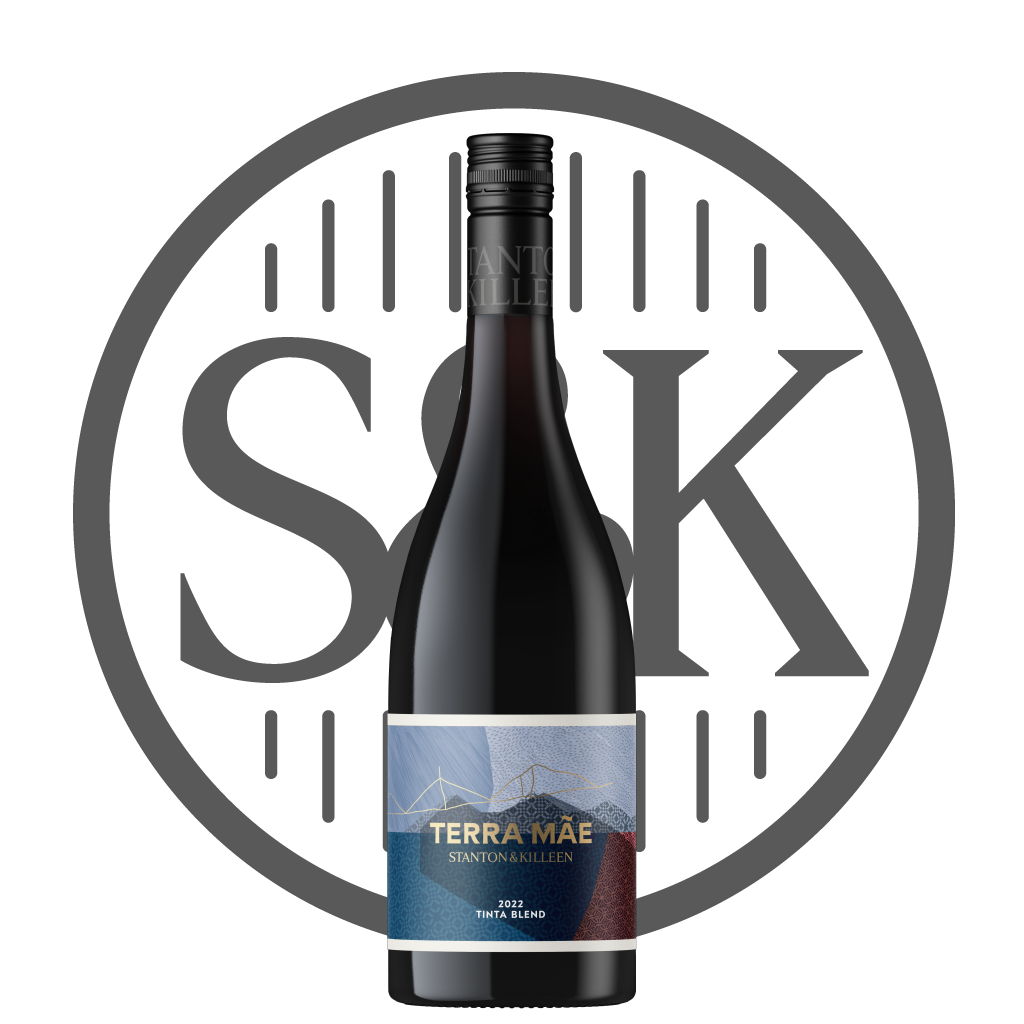
Chris had a deep passion for Portuguese port and set about creating his own Australian style of the wine. In the 1990s he planted Tinta Roriz, Tinta Barocca, Touriga Nacional and Tinto Cão, transforming what had been a traditional sweet fortified style into something drier, more fragrant and more complex. In 2006, wine writer Jeni Port described Chris as “the man who almost single-handedly holds the future of Australian vintage port in this country.”
Chris passed away in 2007 after a short battle with multiple myeloma. In his memory, Stanton & Killeen created The Prince, a dry red table wine made from the Portuguese varieties he planted, named for the nickname his fellow Rutherglen vignerons had given him: the Prince of Port.
Generation 7: Natasha and Wendy Killeen (Today)
Today, Stanton & Killeen is owned and managed by mother and daughter Wendy and Natasha Killeen, custodians of a legacy that now spans 150 years and seven generations.
Natasha, Chris and Wendy's daughter, researched Portuguese white varieties extensively before choosing Arinto, Alvarinho and Antão Vaz to plant in Rutherglen from 2015 onward. The 2019 Arinto and 2019 Alvarinho took trophies at multiple shows in just their second vintage. She has also developed and implemented S&K’s first sustainability plan, leading the winery through vineyard and winery certification with Sustainable Winegrowing Victoria.
Wendy and Natasha continue as custodians of some of the most precious wine parcels in Australia, including fortified stocks dating back to Jack’s time as winemaker in the early 1960s. The oldest Muscat and Topaque barrels in the cellar were filled by hands that are no longer with us.
The Stanton & Killeen story is not finished. It is simply in good hands.
Explore the S&K range at stantonandkilleen.com.au.