


What is the Solera System? The Secret Behind Rutherglen Muscat
If you have ever looked at a bottle of Rutherglen Muscat and noticed it says ‘NV’ or ‘non-vintage’ on the label, you might have wondered why. Most wines carry a year: a single harvest, a single season, a specific moment in time. So why doesn’t Muscat?
The answer is the solera system and once you understand it, the wine in your glass starts to feel like something quite remarkable.
What is the Solera System?
The solera system is a method of fractional blending that combines wines of different ages over time. Rather than bottling a single vintage, winemakers draw off a portion of the oldest wine each year to bottle, then replenish that barrel from the next oldest, and so on down the line until the youngest barrel is topped up with the most recent harvest.
The result is a wine that contains material from many different years, blended together to create something with greater complexity and consistency than any single vintage could achieve on its own. Over decades, a well-maintained solera builds extraordinary depth, and the average age of the wine increases with every passing year.
The name comes from Spain, where the system was developed for Sherry production, with ‘solera’ referring to the lowest row of barrels on the ground. But the method has been adopted by producers around the world and in Rutherglen it has become the cornerstone of Muscat and Topaque production.
How the Solera System Works at Stanton & Killeen
At Stanton & Killeen, our Muscat and Topaque ranges are built on a modified solera system that has been running for generations. Here is what that actually looks like in practice.
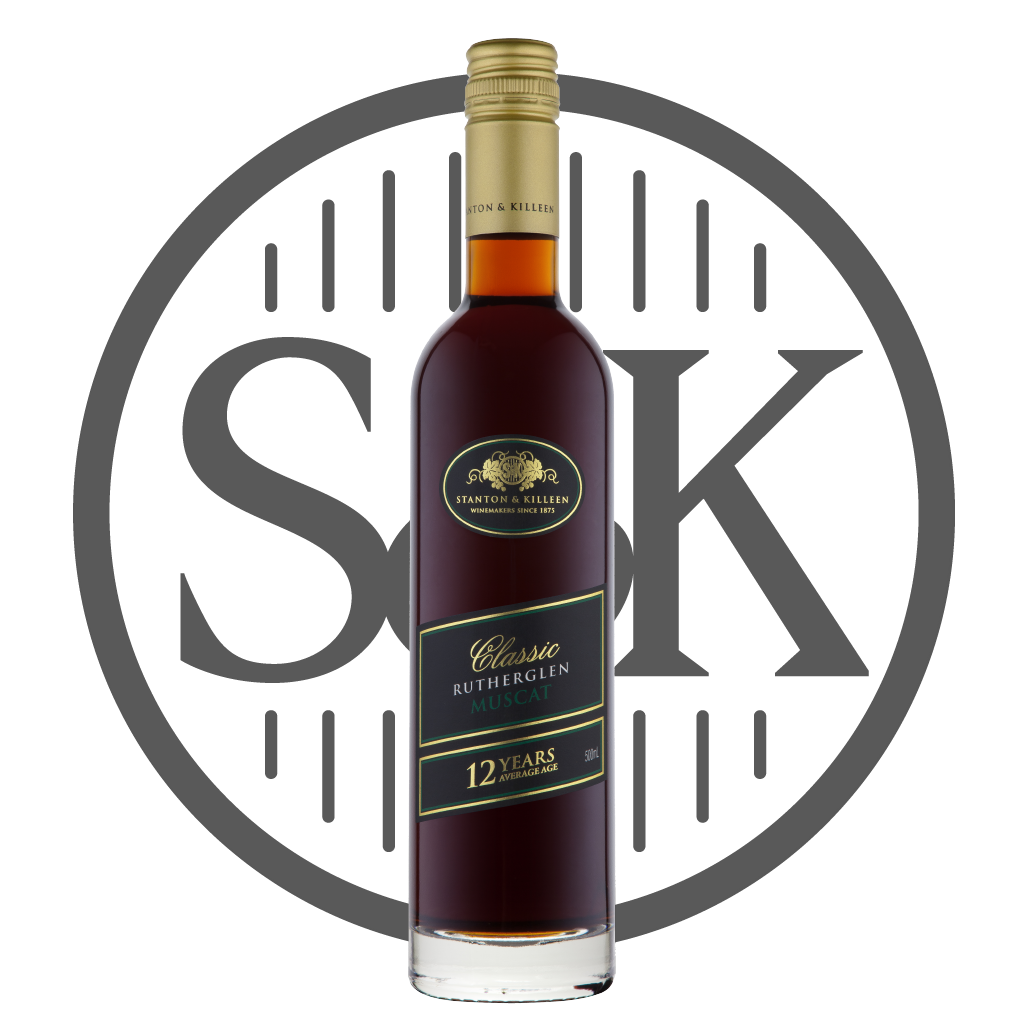
When we bottle our Classic Muscat, for example, we draw off a portion of our oldest Classic material and replace it with material from the next age group down, which is in turn replenished with slightly younger material, and so on back to the most recent harvest. No single barrel is ever emptied completely. Instead, each draw takes only a portion, ensuring the oldest component of the blend is always preserved and continues to contribute to every future bottling.
This is why the label says NV rather than a specific year. The wine in the bottle is not from 2026, or 2020, or any single vintage. It is a blend of many years, unified into a single expression of our house style.
Why Does It Matter for the Wine in Your Glass?
Consistency across years
One of the great challenges of winemaking is that every vintage is different. A cool, wet year produces very different fruit from a hot, dry one. The solera system smooths those differences out. Because the blend always contains material from many years, the character of the wine remains remarkably consistent from one bottling to the next. Our Classic Muscat tastes like our Classic Muscat whether you bought it five years ago or yesterday.
Complexity that builds over time
Older wine brings things to a blend that younger wine simply cannot: greater concentration, deeper colour, a richer texture, and the nutty, caramel complexity that winemakers call rancio. Younger wine brings freshness, bright fruit and floral aromatics. The solera blends these qualities together in a way that neither old nor young wine could achieve alone.
A living connection to the past
This is the part that stops us in our tracks. Every bottle of our Grand or Rare Muscat contains material that was fortified and placed in barrel decades ago, some of it before any of us at Stanton & Killeen were born. When you draw off a portion of the solera to bottle, you are preserving a thread that connects the present wine to every winemaker who tended those barrels before you.
Our Rare Muscat contains parcels dating back to the 1960s and 70's. Four generations of the Killeen family have had a hand in that wine at some point in its history. The solera is how that continuity is maintained.
The Four Tiers and Average Age
This is where the classification system and the solera system connect. Each tier of Rutherglen Muscat has a minimum average age that the blend must meet:
Rutherglen Muscat: average age 3 to 5 years
Classic Rutherglen Muscat: average age 8 to 12 years
Grand Rutherglen Muscat: average age 12 to 19 years
Rare Rutherglen Muscat: average age 20 years and above
When we say average age, we mean the weighted average of all the material in the blend. A Classic Muscat with an average age of 12 years is not made entirely from 12-year-old wine. It is made from a combination of younger and older material whose ages, when averaged across the whole blend, equal 12 years. Younger parcels bring freshness; older parcels bring depth. Getting that balance right is the art of the solera.
The Blender’s Craft
Running a solera sounds methodical, but the blending decisions are deeply intuitive. Each year, our winemaker tastes through the various age components in the cellar and makes judgement calls about how much to draw off, what to replenish with, and how to maintain the house style that makes our Muscat recognisably ours.
The goal is not just to hit an average age number. It is to create a wine that tastes like Stanton & Killeen Classic Muscat, or Grand Muscat, every single time, regardless of what the season threw at us. That consistency, built over generations, is one of the things we are most proud of.
Curious About Running Your Own Solera?
The solera system is not just for commercial wineries. Home barrel owners have been running their own small-scale versions for years, and it is one of the most rewarding ways to build complexity and average age in your own fortified wine over time.
If you are interested in how the solera system works for home barrel owners specifically, our friends at Liquid Luxury have written a detailed guide covering everything from setting up a two-barrel system to managing your blend over time. It is a great read for anyone who wants to go deeper.
Read the Liquid Luxury solera guide at liquidluxury.com.au
Taste the Solera System for Yourself
The best way to understand what the solera system produces is to taste the four tiers of Rutherglen Muscat side by side. Each one is an expression of the same grape, the same soils and the same barrels, but at a different depth of complexity and age. The difference between them is the story of time.
Our Muscat Classification Tasting at the Stanton & Killeen cellar door takes you through all four tiers for $25 per person, no booking required. Or pick up the full classification pack online and taste at home.
Book a classification tasting or shop the Muscat range at stantonandkilleen.com.au