
Leaving it better than we found it
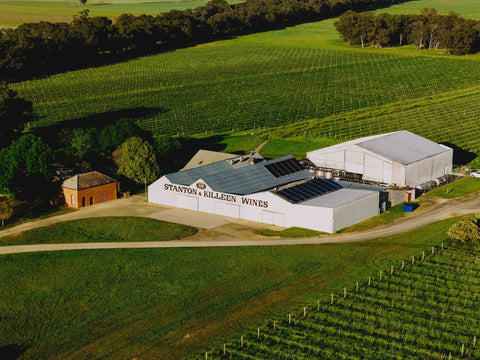
For seven generations, our family has farmed the same patch of Rutherglen, and we plan to be here for many more. We’re proud of that history, and we know it’s a short one. The Bangerang people have cared for these lands and waters for tens of thousands of years, and we acknowledge them as the Traditional Custodians of the land on which we live and work.
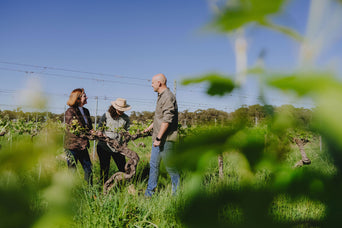
For us, sustainability is simple: look after the land, the people and the business so the next generation inherits something even better. It’s not about being perfect. It’s about starting where you are, having a plan, and improving a little every year.
Certified sustainable since 2022
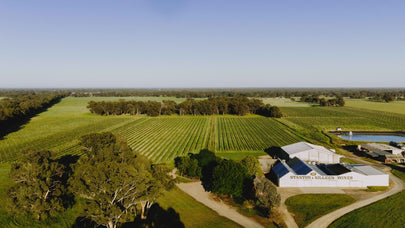
In 2022, we became certified with Sustainable Winegrowing Australia, the national program for sustainable grapegrowing and winemaking.
It took a lot of work to bring our practices up to the standard of a rigorous independent audit, and we’re re-audited every three years. The program gives us a clear framework across six areas: land and soil, water, biodiversity, energy, waste, and people and business.
The right vines,
right place
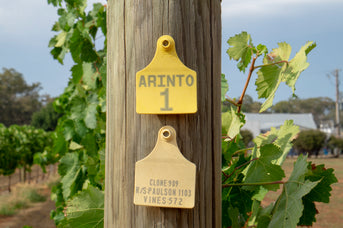
More than 30 years ago, Chris & Wendy Killeen planted Portuguese varieties because they loved Vintage Fortified. As our climate has grown hotter and drier, they’ve proven to be the vines that cope best. Natasha & Wendy have since added Portuguese whites such as Arinto, Alvarinho and Antão Vaz.
Growing varieties suited to our region means we work with the vines, not against them.
Healthy soils,
healthy vines
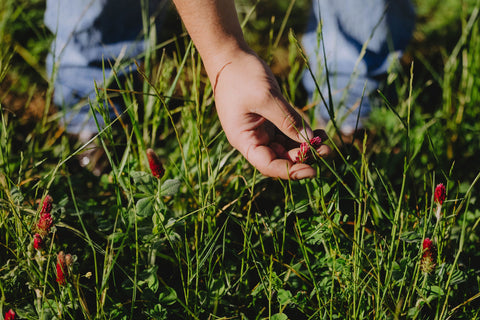
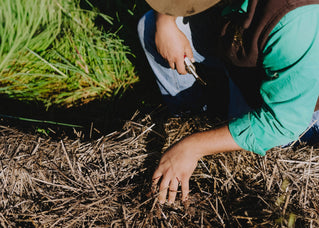
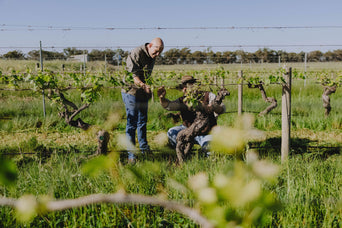
We grow cover crops between the rows and spread straw under the vines to protect the soil, hold in moisture and keep the vines thriving through hot, dry spells.
Our neighbours at Lake Moodemere Estate, also certified with Sustainable Winegrowing Australia, help with the straw mulching using straw from their own Rutherglen farm.
Good bugs,
fewer sprays
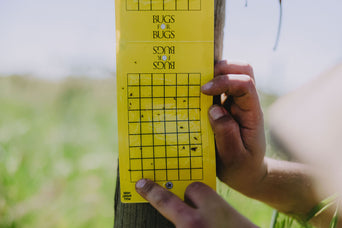
Together with our neighbours at Scion and Lake Moodemere Estate, we’re trialling the Bugs for Bugs program, releasing beneficial insects into our vineyards to keep pests in check naturally. One of the biggest pests for grapegrowers is the light brown apple moth. Its caterpillars feed on the vine leaves and damage the grape skins, which can let in botrytis, a fungal disease that often needs spraying to control.
By creating a healthy habitat where the good bugs can thrive, we hope to reduce, or even remove, the need for pesticides and fungicides. All three wineries are tracking the results, with the aim of proving the link between a thriving ecosystem and fewer pests and diseases. We’re also planting native insectaries and creating habitat around our dams and bushland to help the insects and small birds that work alongside us.
Planting for the future
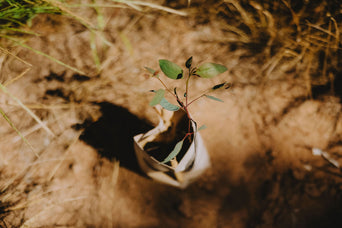
With a Climate Smart grant from the North East Catchment Management Authority, we’ve planted more than 1,500 native trees and shrubs across the farm. Many of them form shelter belts, rows of trees and shrubs that act as natural windbreaks and give shade. They protect our stock from hot winds and harsh sun, and over time they’ll also help shelter the vines and soil.
The new plantings also create homes and food for native birds, insects and wildlife, linking up with our remnant bushland and dams to increase biodiversity across the property. The project has been on our Sustainability Action Plan for years, and it’s one of the things we’re proudest of.
Saving water and energy
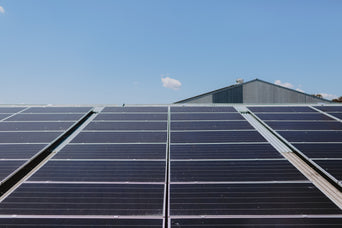
In the winery, 54kW of solar panels, a misting system for our refrigeration, and new insulation around our brine pipes and barrel room all help us use less power. Just before vintage 2022, we also reworked the winery layout, so jobs are faster and less tiring for our team.
In the vineyard, we’re upgrading to more efficient drippers and piping our open water channel to reduce leaks and evaporation. After tracking where water naturally flows in heavy rain, we’re also shaping the land to slow it down, so more soaks into the soil. Enhancing our dams means there will be water for wildlife through the dry times, too.
Doing more
with less
We’ve reduced our vineyard area to focus on the blocks that grow the best fruit. One older block is being replanted with Portuguese varieties, with the rows turned east to west to shelter the vines from the afternoon sun.
Across the business, from the office to the production line, we’ve streamlined how we work, cut back our packaging, and made every process as efficient as we can.
Waste not, want not
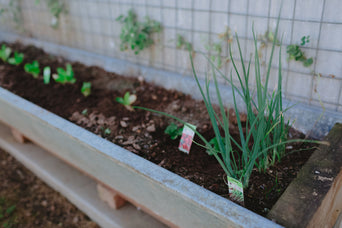
We recycle as much as we can, from glass and cardboard to soft plastics and chemical drums. Then we look for new life in what’s left. Old trailers have been fixed up, rusty gates have become wildlife habitat, and our broken fruit bins and pallets have gone to the Rutherglen Men’s Shed to become veggie beds, cubby houses and kindling.
Food scraps go to our worm farm, and the worm juice it produces feeds our vines but also our staff veggie garden.
Sheep in the vineyard
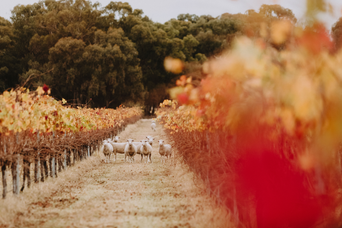
Over winter, when the vines are dormant, our sheep move into the vineyard to graze between the rows. They keep the grass and weeds down, which means less mowing, less fuel and fewer herbicides. As they graze, they also fertilise the soil naturally, helping it stay healthy and full of life for the season ahead.
It’s a simple, old-fashioned approach that suits a family farm like ours. The vineyard gets the care it needs, the sheep get a good feed, and it’s a great sight for visitors at the cellar door, too.
Protecting Lake Moodemere
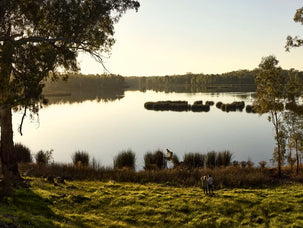
Caring for our region goes beyond our own fences. Lake Moodemere is one of Rutherglen’s most loved natural places, and a site of deep cultural significance to the Bangerang people. When a 24/7 service station was proposed nearby, Natasha became one of the driving forces behind the Save Lake Moodemere campaign, working alongside local winemakers and community groups to protect it.
VCAT ruled against the development, a big win for the community and for the lake.
The journey continues
Sustainability is a journey, not a destination. We’ll keep learning, keep improving, and keep sharing what we’re doing along the way.
If you’d like to know more, ask us at the cellar door or get in touch. We love talking about it.