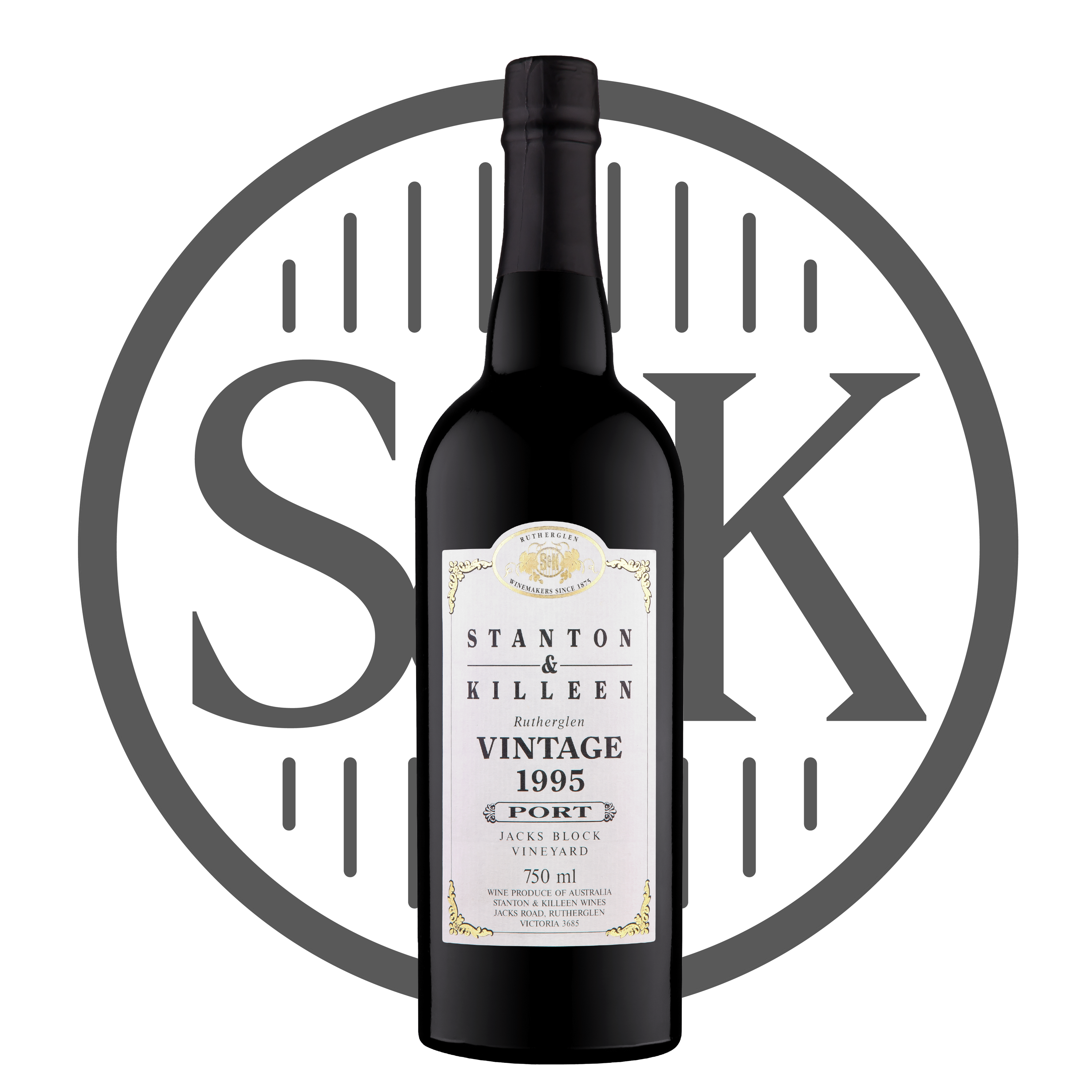



Vintage Fortified vs Vintage Port: What's the Difference, and What Happened to the Name?
If you have been looking for an Australian vintage port and keep finding wines labelled Vintage Fortified instead, you are not imagining things. The wine is the same. The name is not.
Here is what happened, and what it means when you are choosing a bottle.
A name that changed, but a wine that didn't
For most of the last century, Australian producers borrowed European names for their fortified wines. What we made in the vintage port style, we simply called vintage port. That changed in 2012, when Australia and the European Union reached an agreement protecting the traditional place names of European wines. Port comes from the Douro Valley in Portugal, sherry from Jerez in Spain, and those names were reserved for wines from those regions.
So the Australian names changed. What was once vintage port became Vintage Fortified. Tawny port became simply Tawny. Australian sherry became Apera. The wine in the bottle did not change at all. Only the words on the label did.
What Vintage Fortified actually is
Vintage Fortified is a rich, sweet red wine made from a single year's harvest. During fermentation, before the grapes have turned all their sugar into alcohol, a neutral grape spirit is added. This stops fermentation, which leaves natural sweetness and bright fruit in the wine, and lifts the alcohol well above that of a table wine.
Unlike Tawny, which is aged in barrel and blended across many years, Vintage Fortified is bottled young and does most of its ageing in the bottle, much like a fine red table wine. That is what makes it so distinctive, and so collectable. A good one can age gracefully for twenty, thirty, even forty years, evolving from bright and powerful in its youth to soft, tawny and complex with age.
Rutherglen and the Portuguese connection
Rutherglen in north-east Victoria is the spiritual home of Australian fortified wine. The region is best known for its Muscat and Topaque, but it also has a long and quiet history with the vintage port style.
At Stanton and Killeen, that history runs deep, and it has evolved. For much of the last century, the Australian vintage port style was big, bold and high in spirit, built here on Shiraz and Durif. That changed with sixth-generation winemaker Chris Killeen, who was drawn to the drier, more savoury style of the Douro. He began working with traditional Portuguese varieties, Tinta Roriz, Tinta Barocca, Touriga Nacional and Tinta Cao among them, the same grapes grown in Portugal, and reshaped our Vintage Fortified around them.
Today our wines are made in that Portuguese style. Most vintages still carry some of our beloved Rutherglen Shiraz or Durif in the blend, but the aim is elegance and structure rather than the sheer power of the older Australian style. You can read more about how the Portuguese varieties came to Stanton and Killeen and why they suit Rutherglen so well.
How to recognise a good one
When you are choosing a Vintage Fortified, a few things tell you what you are holding. Look for the vintage year, since these are single-year wines and the season shapes the character. Expect deep colour, rich dark fruit, fine tannin structure and a spirit that sits in balance rather than standing apart from the wine. And remember that these wines are made to age. A young Vintage Fortified is only at the beginning of its life.
Once you have a bottle, it is worth knowing how to get the best from it. Our guide to how to serve and enjoy Vintage Fortified covers when to open it, whether to decant, and how long it keeps once the cork is out.
If you would like to see the style for yourself, our current Vintage Fortified release and a selection of older milestone vintages are available now as part of our annual allocation.
It is the best way to taste how these wines evolve, from a bright new vintage to a wine with decades behind it.